
Un nouveau groupe de travail est en cours de constitution afin d’élaborer des valeurs indicatives pour l’évaluation des odeurs ambiantes, en s’appuyant sur la norme espagnole UNE 77270 intitulée « Cartographie collaborative des odeurs par le biais de la science citoyenne ». Ce groupe réunira des représentants des pouvoirs publics, de cabinets de conseil, d’instituts de recherche, d’associations locales et d’installations industrielles dont les activités sont susceptibles de générer des nuisances olfactives.

Le groupe se réunira pour la première fois le 13 janvier 2027 à 15 h 30 CET (heure espagnole). Ses travaux visent à contribuer à la mise en place d’une approche commune pour les projets utilisant la norme UNE 77270, en s’appuyant, dans la mesure du possible, sur des études dose-effet et, à défaut, en recherchant un consensus parmi les participants. La norme UNE 77270 n’est pas la seule dans ce domaine. Des initiatives visant à normaliser la science citoyenne pour l’évaluation des odeurs sont déjà en cours en Italie et au Chili. Poursuivez votre lecture pour découvrir pourquoi cette initiative est lancée et comment y participer.
There is no translation available.

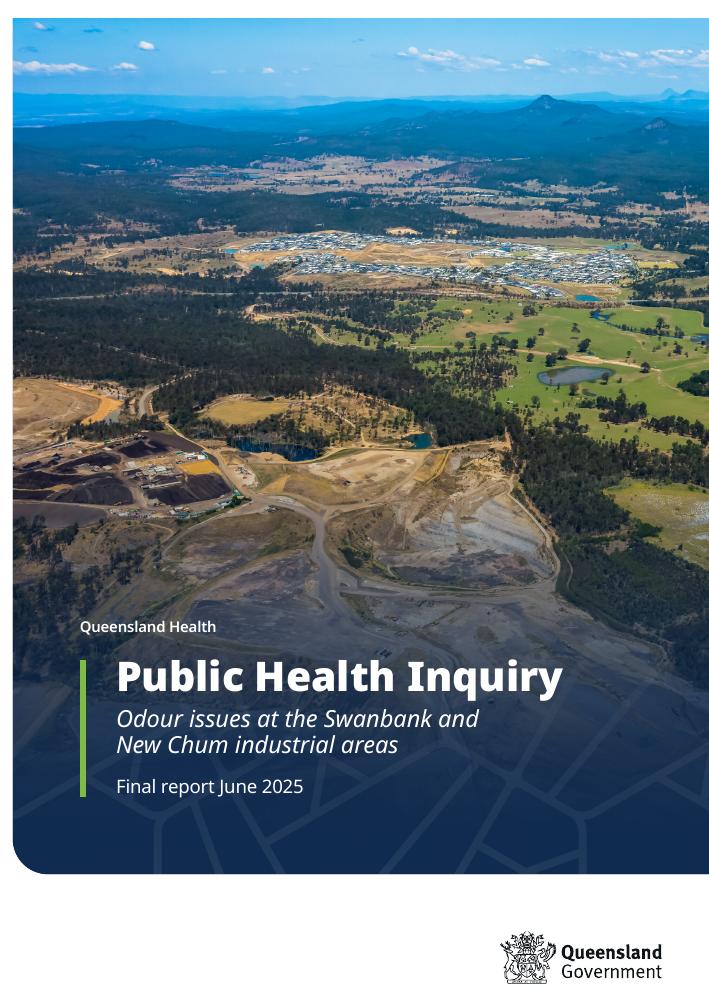
   In Ipswich, Queensland, Australia residents have for some time reported persistent odours coming from nearby industrial and waste facilities at Swanbank and New Chum. These odours have caused discomfort and concern among the community, with some attributing health issues like respiratory problems and nausea to the pollution. The situation prompted local leaders and government authorities to take notice after many residents raised complaints.

   To address these concerns, a Public Health Inquiry was initiated by the government to investigate the impact of these odours on community health. The Inquiry aimed to collect evidence and testimonies from residents, experts, and industry operators. The goal was to assess the extent of harm, identify causes, and recommend actions. The final report from the Swanbank Public Health Inquiry has been finally published this Wednesday, 19 November, and can be accessed at this link.

There is no translation available.

  Chile’s first odour regulation for pig farming, enacted in 2023, prompted an evaluation of its social impact.

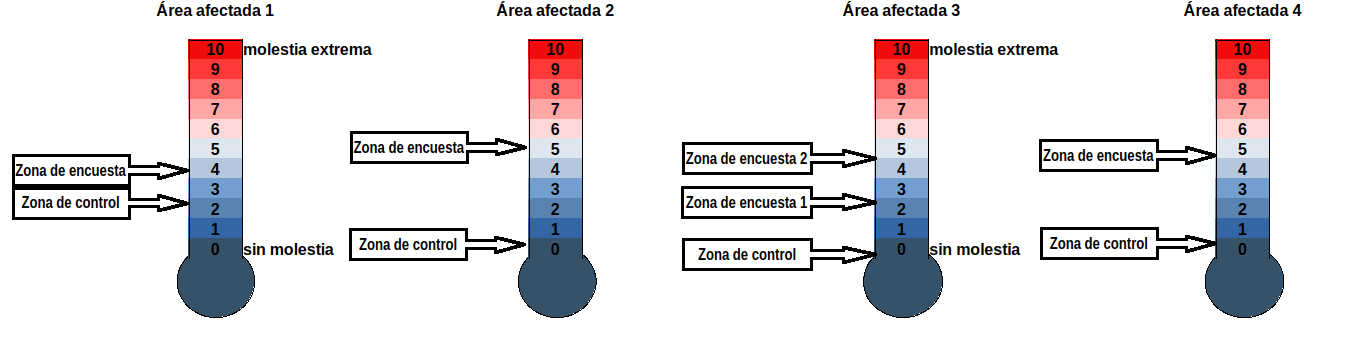
   A survey in four affected regions showed significantly higher annoyance levels than in control areas, with women reporting more behavioural adaptations. While no gender differences were statistically significant, the study highlights the need for larger samples and better implementation strategies. The methodology could also be applied to assess odour regulations in other industries.

G. Schleenstein1 y D. Caimanque2

1 Ecotec Ingeniería Ltda., José Victorino Lastarria 70 of. 213, Santiago de Chile
2 Ministerio del Medio Ambiente, San Martín 73, Santiago de Chile
* gs@ecotec-ingenieria.cl

Plus d'articles...

Page 1 sur 3

All the content here under Creative Commons license