There is no translation available.

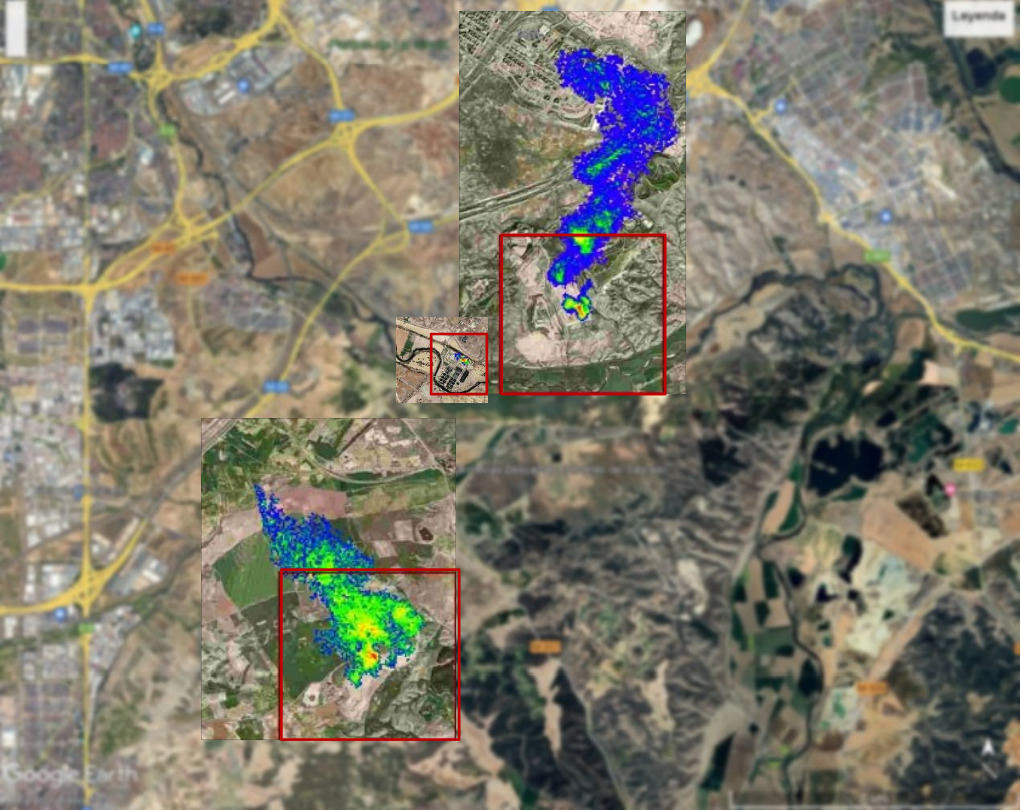
   The study aims to explore the use of satellite technology (GHGSat) for measuring methane emissions and its application in quantifying odors in landfills, waste and wastewater treatment plants. 

  This study proposes to identify and monitor methane emission sources, a tracer gas that allows inferring the presence of odors associated with the decomposition of organic matter, through the use of satellite technology (GHGSat) with its high spatial resolution and accuracy, facilitates the identification of critical areas and the evaluation of the efficiency of odor control systems.

J. Moreno Lampaya1 & K. Kataria 2

1 Envirohub Trashform S.L.
2 GHG Sat
jmoreno@envirohub.eu
There is no translation available.

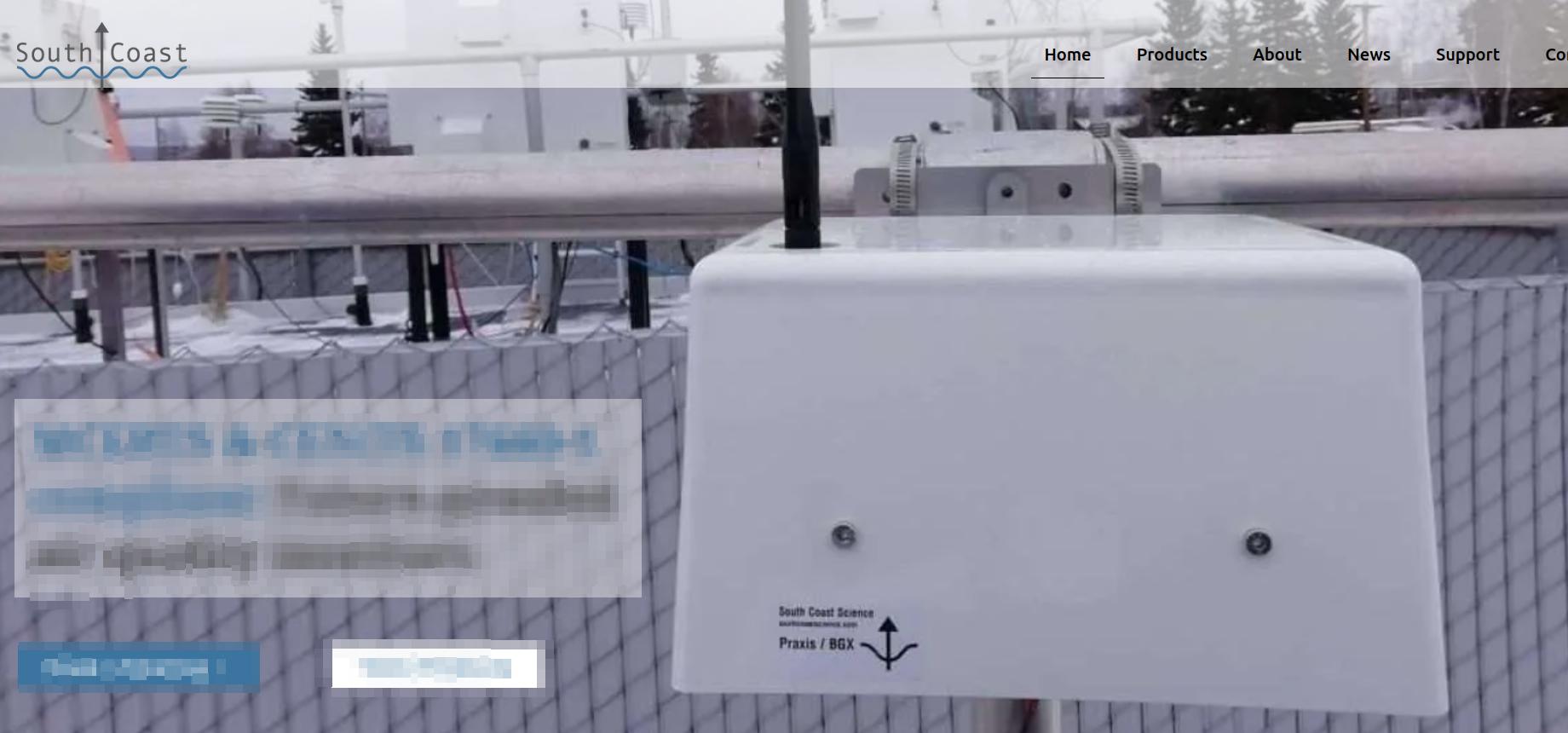
   South Coast Science Limited, a company renowned for its advanced air quality monitoring technology, has officially announced that it ceased trading as of 17th July 2024, entering into insolvency. The company, based in Brighton, was known for designing and manufacturing affordable, high-density environmental monitoring networks, delivering accurate real-time data to evidence compliance, inform decision-makers, and support community action.

   David Johnson, the Business Development Director, is a prominent figure in the sector. With a distinguished career and deep knowledge of the market for environmental monitoring systems, Johnson has been instrumental in the growth and success of the company. His expertise and leadership have helped establish South Coast Science as a benchmark in the industry, particularly noted for the reliability and precision of its products.

    La chromatographie en phase gazeuse couplée à la spectrométrie de mobilité ionique (GC-IMS) existe depuis un certain temps et a été utilisée dans plusieurs projets pour détecter l'empreinte olfactive.  Récemment, un article novateur a présenté le package R GCIMS, un outil open-source conçu pour rationaliser le traitement des données pour cette technologie de pointe.

   Le GC-IMS permet l'étude des composés organiques volatils (COV) dans les biofluides, donnant naissance à ce qui est souvent appelé "volatilomique". Ces composés contribuent aux odeurs distinctes associées à la respiration, à la salive, à la transpiration, et plus encore. Importamment, les changements dans la composition de ces COV indiquent diverses conditions de santé et peuvent être exploités pour le diagnostic de maladies et le suivi des médicaments.

Plus d'articles...

All the content here under Creative Commons license