
È in fase di costituzione un nuovo gruppo di lavoro incaricato di elaborare valori di riferimento per la valutazione degli odori nell’ambiente, avvalendosi della norma spagnola UNE 77270 “Mappatura collaborativa degli odori attraverso la scienza dei cittadini”. Il gruppo riunirà rappresentanti delle autorità pubbliche, di società di consulenza, del mondo della ricerca, di associazioni locali e di impianti industriali le cui attività potrebbero generare fastidi olfattivi.

Il gruppo si riunirà per la prima volta il 13 gennaio 2027 alle ore 15:30 CET (ora spagnola). Il suo lavoro mira a contribuire alla definizione di un approccio condiviso per i progetti che utilizzano la norma UNE 77270, avvalendosi, ove possibile, di studi dose-effetto e, in loro assenza, ricercando il consenso tra i partecipanti. La norma UNE 77270 non è l’unica in questo campo. In Italia e in Cile sono già in corso iniziative volte a standardizzare la scienza dei cittadini per la valutazione degli odori. Continua a leggere per scoprire perché viene lanciata questa iniziativa e come partecipare.
There is no translation available.

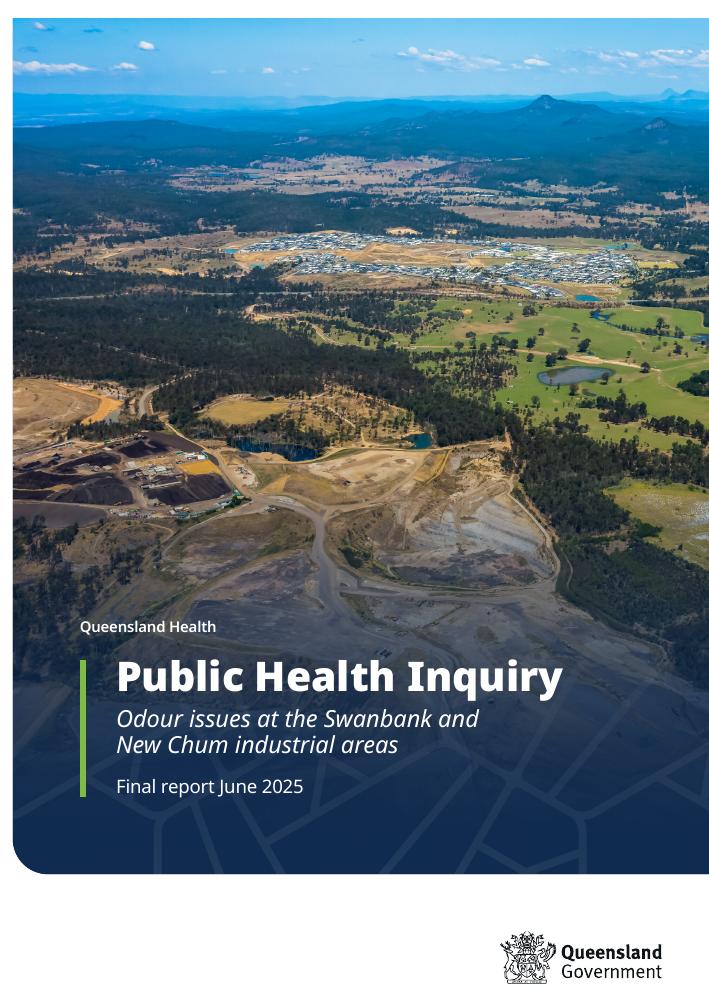
   In Ipswich, Queensland, Australia residents have for some time reported persistent odours coming from nearby industrial and waste facilities at Swanbank and New Chum. These odours have caused discomfort and concern among the community, with some attributing health issues like respiratory problems and nausea to the pollution. The situation prompted local leaders and government authorities to take notice after many residents raised complaints.

   To address these concerns, a Public Health Inquiry was initiated by the government to investigate the impact of these odours on community health. The Inquiry aimed to collect evidence and testimonies from residents, experts, and industry operators. The goal was to assess the extent of harm, identify causes, and recommend actions. The final report from the Swanbank Public Health Inquiry has been finally published this Wednesday, 19 November, and can be accessed at this link.

There is no translation available.

  Chile’s first odour regulation for pig farming, enacted in 2023, prompted an evaluation of its social impact.

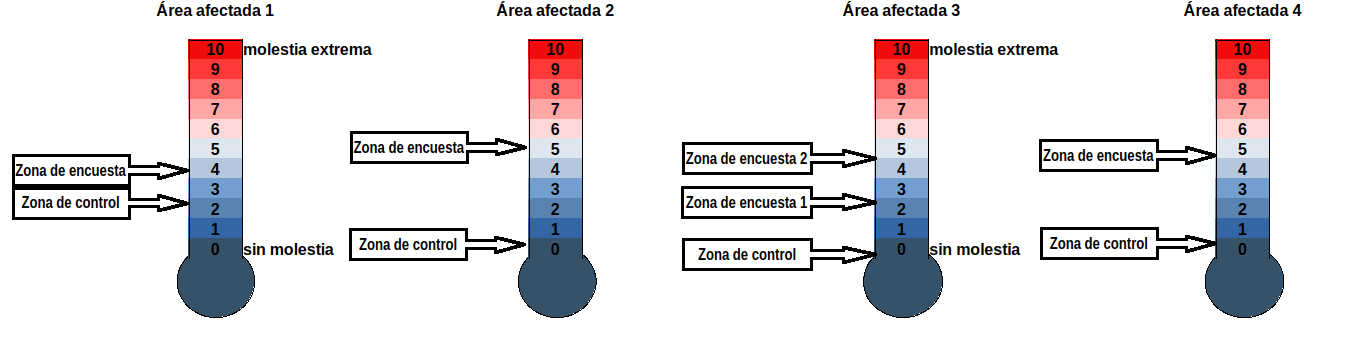
   A survey in four affected regions showed significantly higher annoyance levels than in control areas, with women reporting more behavioural adaptations. While no gender differences were statistically significant, the study highlights the need for larger samples and better implementation strategies. The methodology could also be applied to assess odour regulations in other industries.

G. Schleenstein1 y D. Caimanque2

1 Ecotec Ingeniería Ltda., José Victorino Lastarria 70 of. 213, Santiago de Chile
2 Ministerio del Medio Ambiente, San Martín 73, Santiago de Chile
* gs@ecotec-ingenieria.cl

Altri articoli …

All the content here under Creative Commons license