
Derzeit wird eine neue Arbeitsgruppe gebildet, um Richtwerte für die Bewertung von Geruchsbelästigungen in der Umgebung unter Verwendung der spanischen Norm UNE 77270 „Gemeinsame Geruchskartierung durch Bürgerwissenschaft“ zu entwickeln. Die Gruppe wird Vertreter von Behörden, Beratungsunternehmen, Forschungseinrichtungen, Bürgerinitiativen und Industrieanlagen zusammenbringen, deren Tätigkeiten Geruchsbelästigungen verursachen können.

Die Gruppe wird am 13. Januar 2027 um 15:30 Uhr MEZ (spanische Zeit) zum ersten Mal zusammentreten. Ihre Arbeit zielt darauf ab, einen gemeinsamen Ansatz für Projekte unter Anwendung der Norm UNE 77270 zu etablieren, wobei nach Möglichkeit auf Dosis-Wirkungs-Studien zurückgegriffen wird und, falls diese nicht verfügbar sind, ein Konsens unter den Teilnehmern angestrebt wird. UNE 77270 ist nicht die einzige Norm in diesem Bereich. In Italien und Chile laufen bereits Initiativen zur Standardisierung der Bürgerwissenschaft für die Geruchsbewertung. Lesen Sie weiter, um zu erfahren, warum die Initiative ins Leben gerufen wird und wie Sie sich beteiligen können.
There is no translation available.

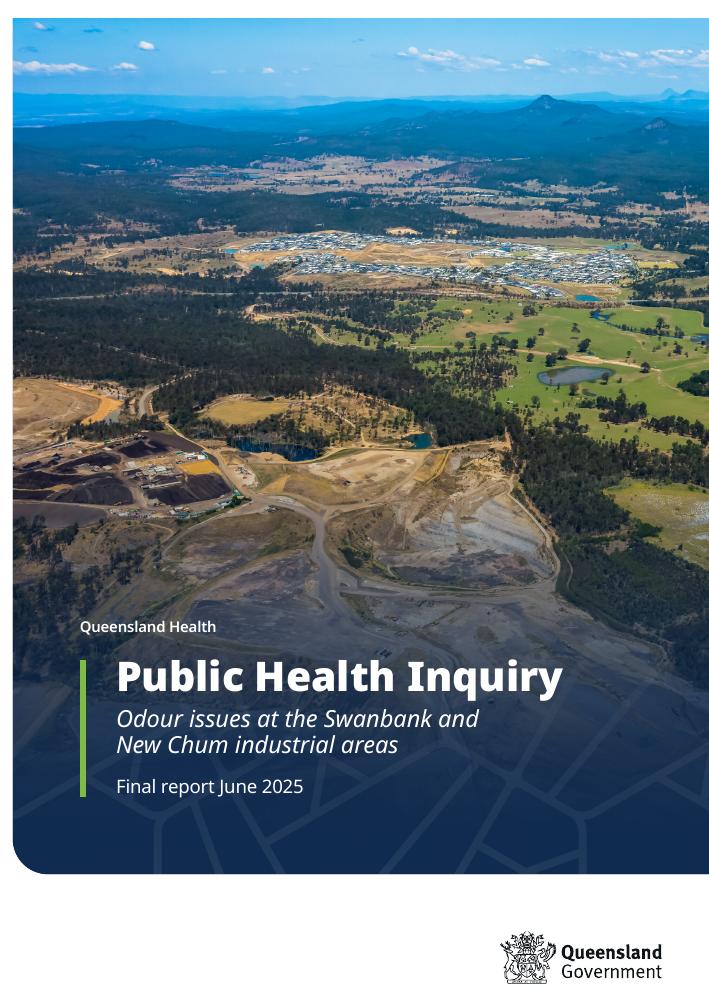
   In Ipswich, Queensland, Australia residents have for some time reported persistent odours coming from nearby industrial and waste facilities at Swanbank and New Chum. These odours have caused discomfort and concern among the community, with some attributing health issues like respiratory problems and nausea to the pollution. The situation prompted local leaders and government authorities to take notice after many residents raised complaints.

   To address these concerns, a Public Health Inquiry was initiated by the government to investigate the impact of these odours on community health. The Inquiry aimed to collect evidence and testimonies from residents, experts, and industry operators. The goal was to assess the extent of harm, identify causes, and recommend actions. The final report from the Swanbank Public Health Inquiry has been finally published this Wednesday, 19 November, and can be accessed at this link.

There is no translation available.

  Chile’s first odour regulation for pig farming, enacted in 2023, prompted an evaluation of its social impact.

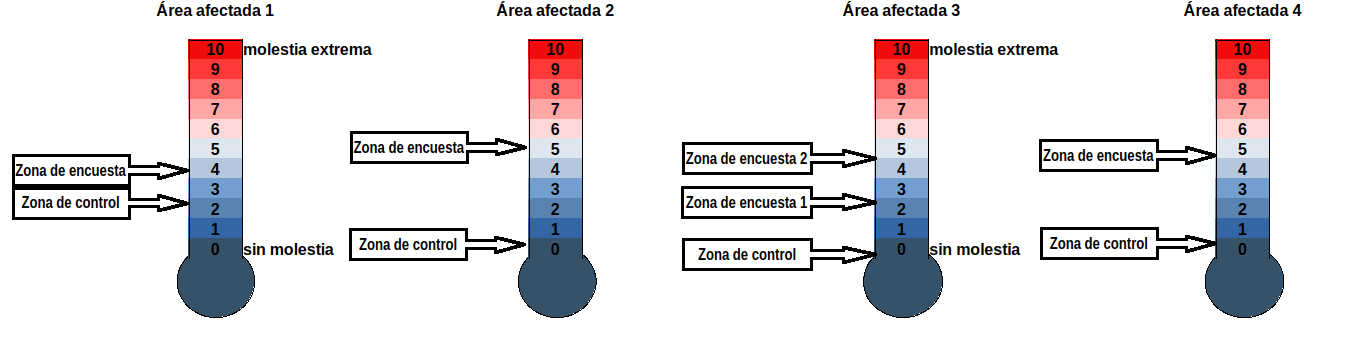
   A survey in four affected regions showed significantly higher annoyance levels than in control areas, with women reporting more behavioural adaptations. While no gender differences were statistically significant, the study highlights the need for larger samples and better implementation strategies. The methodology could also be applied to assess odour regulations in other industries.

G. Schleenstein1 y D. Caimanque2

1 Ecotec Ingeniería Ltda., José Victorino Lastarria 70 of. 213, Santiago de Chile
2 Ministerio del Medio Ambiente, San Martín 73, Santiago de Chile
* gs@ecotec-ingenieria.cl

Weitere Beiträge …

Seite 1 von 3

All the content here under Creative Commons license