
Psychometry

   A new working group is being formed to develop guideline values for ambient odour assessment using the Spanish Standard UNE 77270 "Collaborative odour mapping through citizen science". The group will bring together representatives from public authorities, consultancies, research, community groups and industrial plants whose activities may generate odour nuisance. 

   The group will meet for the first time on 13 January 2027 at 15:30 CET (Spanish time). Its work aims to help establish a shared approach for projects using UNE 77270, drawing on dose–effect studies where possible and, where these are unavailable, seeking consensus among participants. UNE 77270 is not the only standard in this field. Initiatives to standardise citizen science for odour assessment are already under way in Italy and Chile. Read on to learn why the initiative is being launched and how to take part.
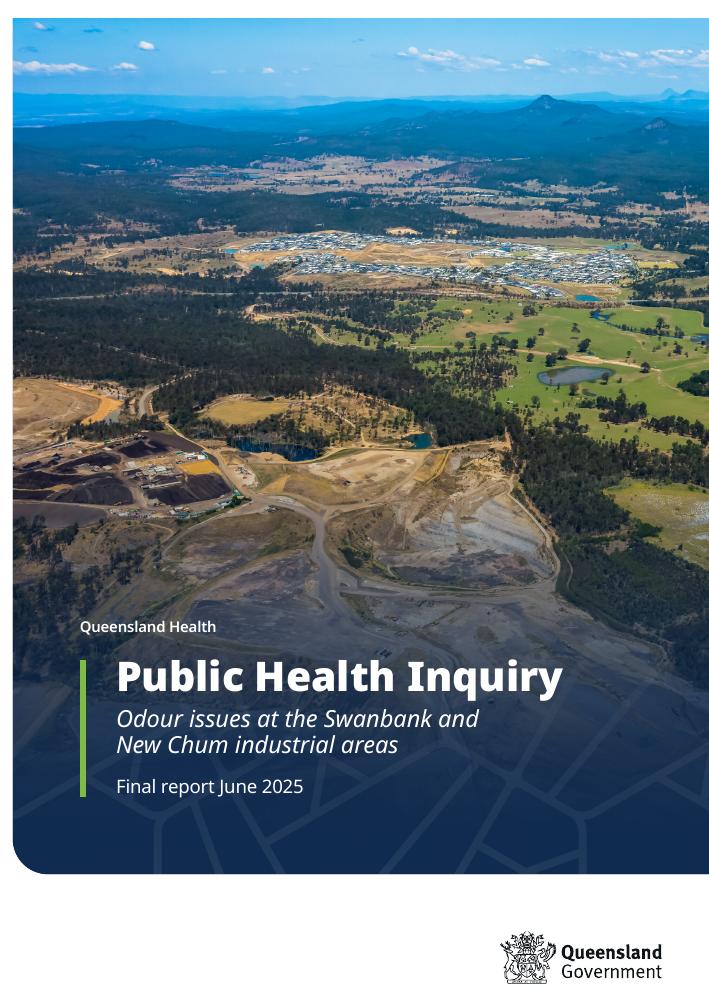
   In Ipswich, Queensland, Australia residents have for some time reported persistent odours coming from nearby industrial and waste facilities at Swanbank and New Chum. These odours have caused discomfort and concern among the community, with some attributing health issues like respiratory problems and nausea to the pollution. The situation prompted local leaders and government authorities to take notice after many residents raised complaints.

   To address these concerns, a Public Health Inquiry was initiated by the government to investigate the impact of these odours on community health. The Inquiry aimed to collect evidence and testimonies from residents, experts, and industry operators. The goal was to assess the extent of harm, identify causes, and recommend actions. The final report from the Swanbank Public Health Inquiry has been finally published this Wednesday, 19 November, and can be accessed at this link.

  Chile’s first odour regulation for pig farming, enacted in 2023, prompted an evaluation of its social impact.

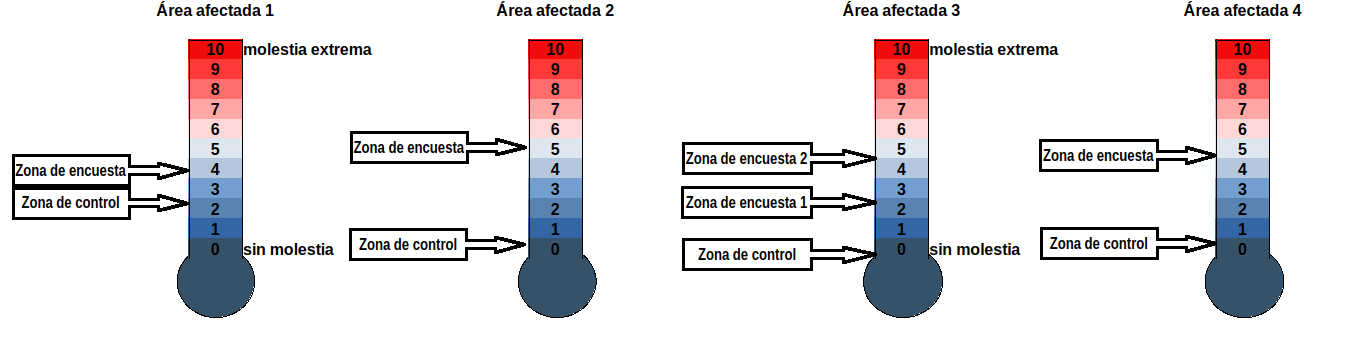
   A survey in four affected regions showed significantly higher annoyance levels than in control areas, with women reporting more behavioural adaptations. While no gender differences were statistically significant, the study highlights the need for larger samples and better implementation strategies. The methodology could also be applied to assess odour regulations in other industries.

G. Schleenstein1 y D. Caimanque2

1 Ecotec Ingeniería Ltda., José Victorino Lastarria 70 of. 213, Santiago de Chile
2 Ministerio del Medio Ambiente, San Martín 73, Santiago de Chile
* gs@ecotec-ingenieria.cl

More Articles …

Page 1 of 3