Techniques

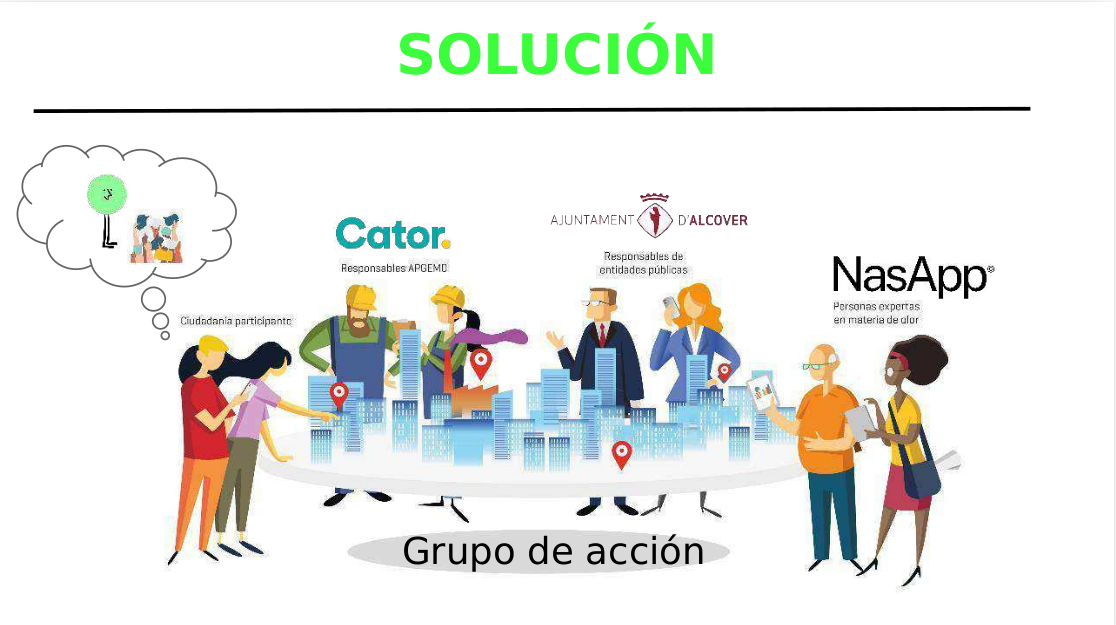
   This project developed a methodology using the NASAPP web platform to monitor and analyze odor pollution from a waste management plant in a residential area.

   By combining trained-user data with public participation and advanced analysis, it created an odor impact index and facilitated transparent stakeholder communication. The approach reduced odor complaints by 80% and established a replicable model for environmental conflict resolution, emphasizing community-company-authority collaboration.

de Lucas, I. 1*; Vallse, T. 2; Ribasése, E. 2

1 Centro Tecnológico Eurecat & NasApp SL, Catalonia, Spain.
2 Catalana de Tractament d'Olis Residuals S.A, Catalonia, Spain. 
* Isabel.delucas@nasapp.org

   With the new odour standard for swine facilities in Chile, Maxagro and the industry face the challenge of advancing towards sustainable production and managing community expectations.

   Despite technological investments that have reduced odours by over 75%, the perception of low-level odours can still lead to complaints. Maxagro actively works with the community to improve understanding and social well-being.

E. Ellmen

Maxagro, Chile. eellmen@maxagro.cl

   Traditional methodologies for evaluating odour pollution are effective in most cases but insufficient for complex situations with multiple sources and various odours.

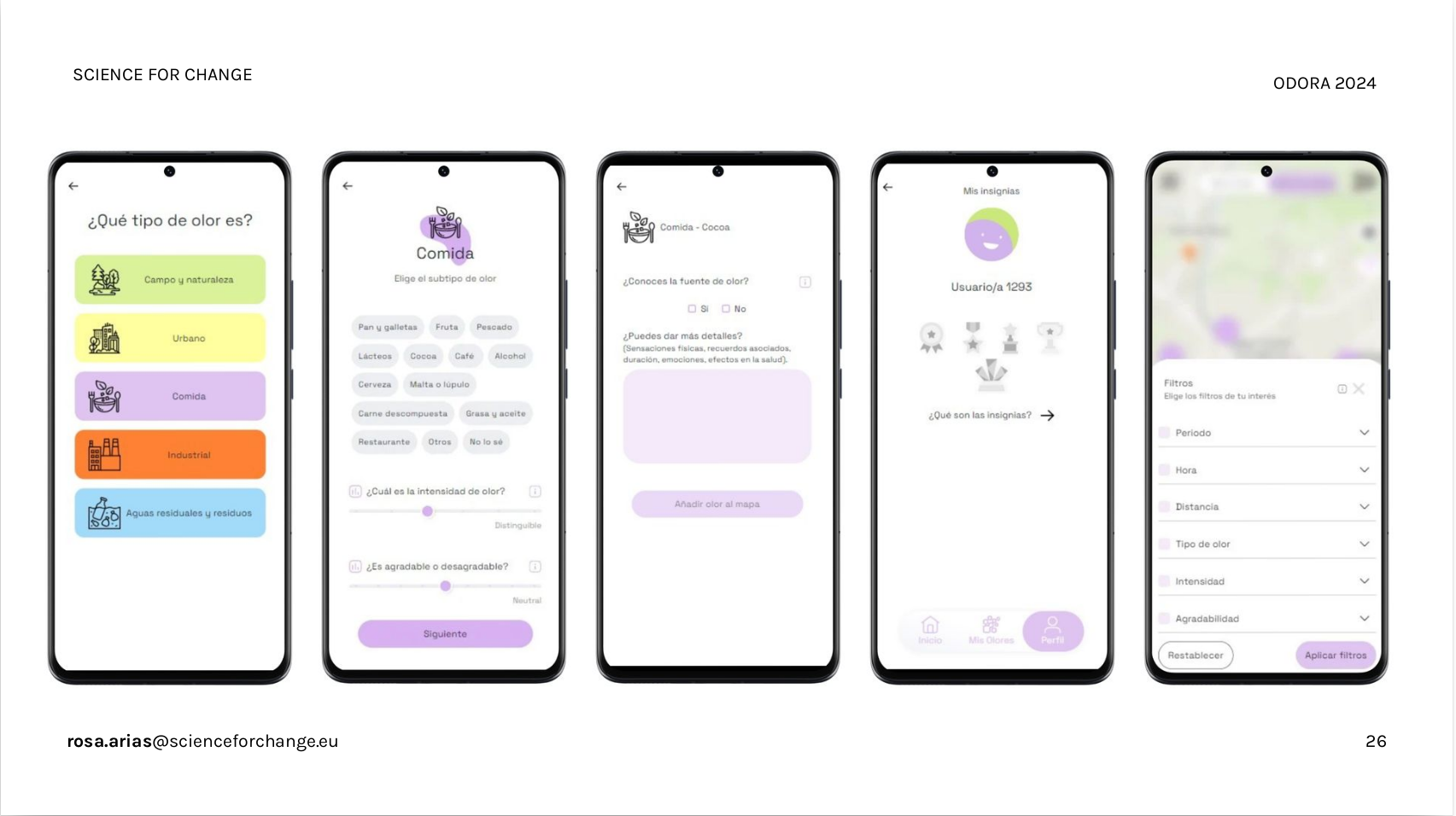
   OdourCollect, developed by Science for Change, offers a comprehensive citizen science-based solution for odour monitoring and management, complying with the UNE 77270:2023 standard. The platform centralizes information and enables real-time analysis, encouraging citizen participation and integrating additional data for improved decision-making.

Rosa Arias. Johana Burbano

  C. de Vilamarí, 50, Planta 7, Eixample, 08015 Barcelona

rosa.arias@scienceforchange.eu

More Articles …

All the content here under Creative Commons license