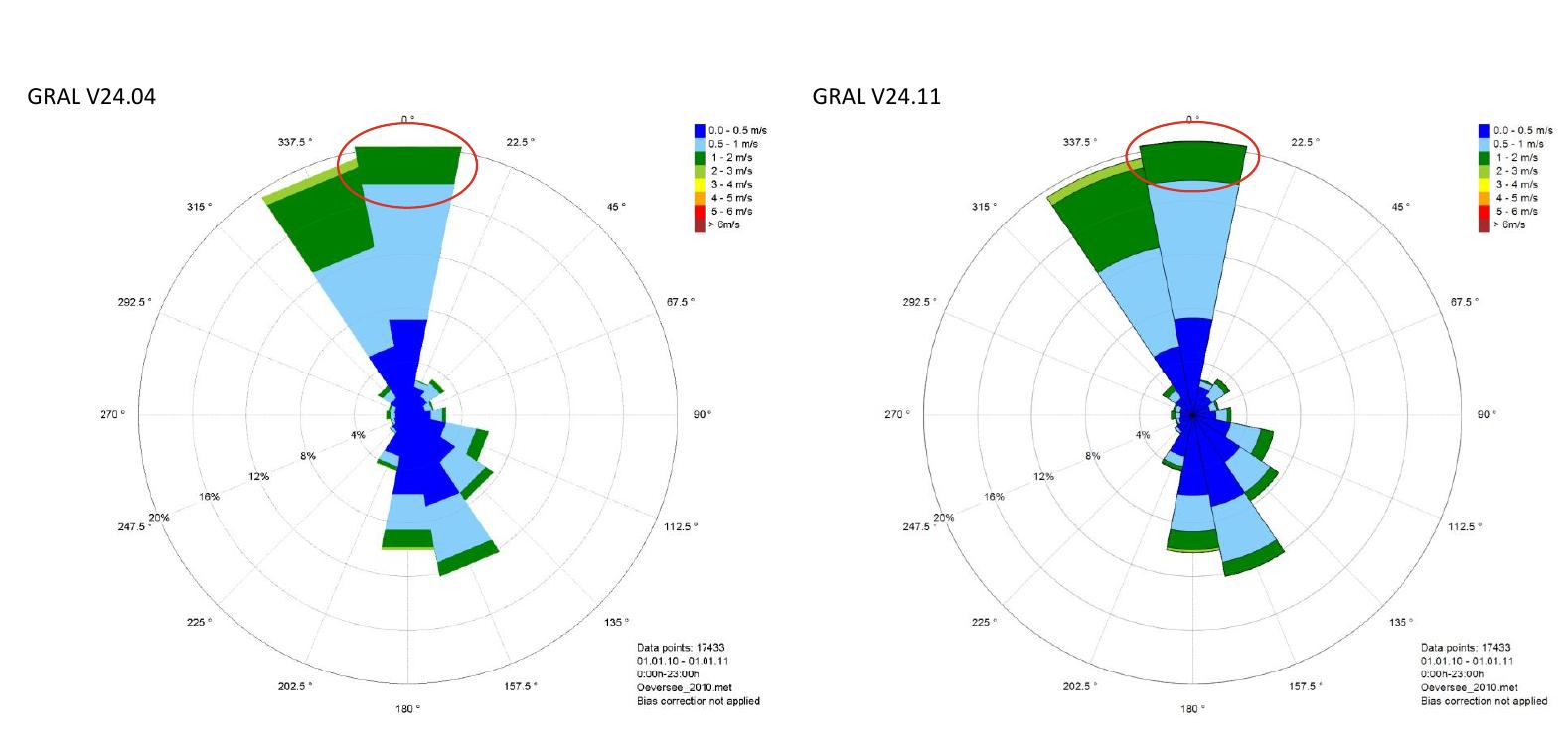
The new GRAL version 24.11 has been released, bringing important bug fixes, enhanced visualisations, and new features that improve the overall user experience. This update addresses issues in odour percentile calculations and source group management, introduces expanded export options, and changes the installation process to offer greater flexibility. The software remains open source, with its full code available on GitHub for those interested in exploring it further.

   The release of GRAL 24.11 has sparked considerable interest among users of this atmospheric dispersion model. This version not only fixes bugs that previously affected the stability of certain functions but also adds visual and technical improvements that could transform how the tool is used in scientific and professional contexts. For those relying on GRAL, the update presents an opportunity to explore new capabilities and enhance their analyses.
   An online workshop on the CALPUFF/CALMET air quality modelling via TEAMS has been proposed for 22nd May 2025. This event is organized by Mr. David Lyder, Senior Air Modelling Standards Engineer of the Air Policy Section of the Government of Alberta, along with Mr Madhan Selvaraj, Mr. Wally Qiu and Mr. Piotr Staniaszek. The idea is to gather feedback from the air quality modelling community. The event will aim to hear which updates professionals want to incorporate into the CALPUFF/CALMET system.

   The CALPUFF/CALMET air quality modelling system is an essential tool for regulatory air quality modelling applications and is widely used worldwide. However, it has not been updated for some time and requires improvements to incorporate the best available science and methodologies. During the 2024 Air & Waste Management Association conference held in Calgary, Alberta, it was recognized that the recent acquisition of the CALPUFF/CALMET code by Lakes Environmental Inc. presents an ideal opportunity to begin this process of updates.


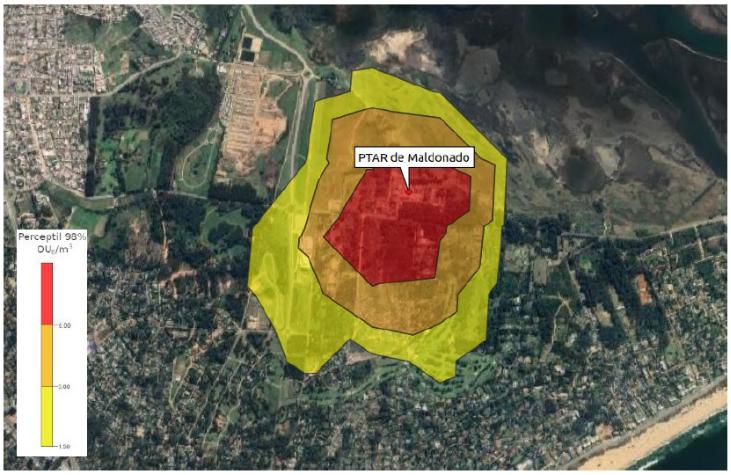
   The Jagüel wastewater treatment plant in Punta del Este, Uruguay, conducted an extensive study to address odor issues ahead of its renovation. Corrective actions significantly reduced odors, with no complaints reported during the summer.

   Through field measurements and advanced modeling, improvements such as enhanced ventilation in centrifuge rooms, activated carbon filters, and ClFe3 dosing in sludge were implemented, ensuring the system's effective performance.

A. Irigoyen 1*, D. Berger 1, A. Anton 2 &  C. Diaz 2

1 CIEMSA, Uruguay.
2 Ambiente et Odora S.L., Spain
* Airigoyen@ciemsa.com.uy

More Articles …

All the content here under Creative Commons license